
Understanding the Essence of Italian Cuisine
Italian cuisine is more than just food; it is a narrative woven into the fabric of culture and tradition. For many, the experience of dining at a pizzeria transcends mere culinary satisfaction, embodying the warmth of family gatherings, the richness of regional flavors, and the joy of shared experiences. In cities proudly showcasing their Italian heritage, such as Vienna, pizzerias like Pizzeria Madera offer an authentic taste of Italy, capturing the essence of traditional Italian dishes, particularly their renowned pizza. When exploring options, pg soft provides comprehensive insights into the delightful offerings available at these establishments.
What Makes Italian Pizza Authentic?
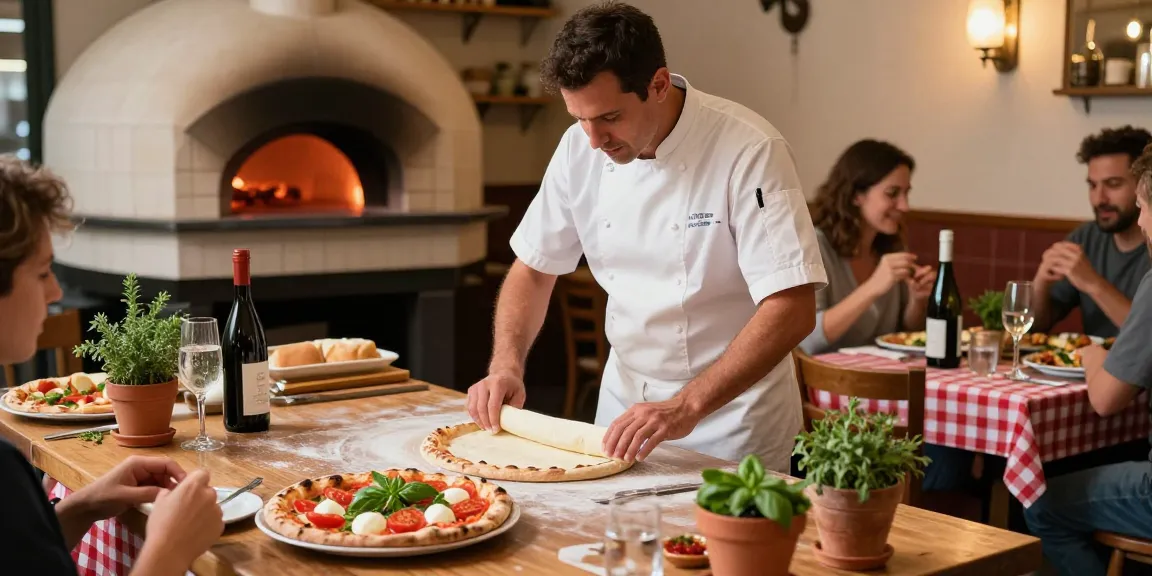
Authentic Italian pizza is characterized by its simplicity and high-quality ingredients. Traditional Neapolitan pizza, for instance, features a thin, soft crust made from finely milled flour, which is hand-stretched and cooked quickly in a wood-fired oven. The key is in the balance of toppings: a simple tomato sauce, fresh mozzarella cheese, and a drizzle of high-quality olive oil, all combined to create a harmonious dish that celebrates its individual components. The quality of each ingredient reflects the devotion and expertise of the pizzaiolo, or pizza maker, often passed down through generations.
Exploring Traditional Ingredients in Italian Cooking
Italian cuisine relies heavily on fresh, high-quality ingredients that each play a crucial role in flavor profiles. Staples include ripe tomatoes, fragrant basil, and fresh mozzarella, often sourced from local farmers to ensure peak freshness. Additionally, the use of traditional herbs and spices, like oregano and garlic, adds depth and aroma to dishes. It’s not uncommon for chefs to incorporate seasonal ingredients, creating dishes that evolve with the changing seasons in Italy.
Creating an Inviting Pizzeria Atmosphere
The atmosphere of a pizzeria is pivotal to the dining experience. An inviting decor that resonates with Italian culture can transport diners to the heart of Italy. Warm colors, rustic wooden tables, and traditional art pieces can create an ambiance that feels both cozy and authentic. Incorporating elements like open kitchens allows guests to witness the pizza-making process, enhancing their connection to the meal.
Decor and Ambiance: The Italian Touch
Italian dining is often about more than just food; it emphasizes community and connection. The decor should facilitate conversation and camaraderie, with ample space for families and groups to gather. Elements such as soft lighting, charming table settings, and even Italian music can enhance the overall experience, making customers feel welcome and at home.
Importance of Customer Experience and Service
Excellent service is integral to a successful pizzeria. Staff members should embody the warm hospitality characteristic of Italian culture, providing attentive service without being intrusive. Creating a memorable experience often involves engaging with customers and offering personalized recommendations based on their preferences, further elevating the dining experience.
Layout and Design Considerations for Maximizing Space
In a pizzeria, strategic layout decisions can significantly impact both customer experience and operational efficiency. Tables should be arranged to encourage interaction while maximizing seating capacity. Thoughtful design choices, such as incorporating a community table or a cozy corner for couples, can cater to different dining preferences, enhancing customer satisfaction.
Mastering the Art of Pizza Making
Crafting the perfect pizza is an art form that requires skill, patience, and a deep understanding of dough fermentation and toppings. This section delves into the core techniques necessary for achieving pizza excellence, ensuring that restaurants can replicate the authentic taste of Italy.
Essential Techniques for Crafting Perfect Pizza Dough
The foundation of any great pizza is its dough. A traditional Italian pizza dough is made from just three ingredients: flour, water, and salt. The dough must be kneaded to develop gluten; this process creates the structure needed for the ideal chewy crust. Allowing the dough to ferment gives it flavor and texture, producing a crust that is both crispy on the outside and soft on the inside.
Choosing the Right Toppings for Flavor Balance
The choice of toppings can make or break a pizza. It’s important to maintain a balance between flavors—rich cheeses, tangy sauces, and aromatic herbs should complement rather than overpower one another. For instance, a classic Margherita pizza features fresh basil, mozzarella, and tomatoes, each ingredient enhancing the others to create a dish that is both simple and delicious.
Optimal Cooking Methods: Wood-Fired vs. Electric Ovens
Cooking methods play a crucial role in achieving the perfect pizza. Wood-fired ovens, renowned for their ability to reach high temperatures, impart a unique flavor to the crust and cook the pizza quickly, resulting in a beautifully charred surface. While electric ovens may offer convenience, they often lack the intense heat needed for that authentic taste.
Marketing Your Pizzeria Effectively
In today’s competitive food landscape, effective marketing strategies are essential for attracting patrons to your pizzeria. This section discusses various methods that can be employed to create a strong brand presence and engage customers.
Utilizing Social Media to Attract Food Enthusiasts
Social media platforms offer valuable opportunities for pizzerias to showcase their offerings visually. By sharing high-quality photos of dishes, behind-the-scenes videos of pizza preparation, and engaging with fans, pizzerias can build a loyal following. Hashtags related to food trends can also increase visibility and attract new customers.
Building Community Connections and Loyalty Programs
Establishing connections within the community is key to a pizzeria’s success. Collaborating with local businesses for events or catering can foster goodwill and attract new customers. Implementing loyalty programs can encourage repeat visits, rewarding customers for their patronage and enhancing customer loyalty.
Leveraging Local SEO Strategies for Visibility
Investing in local SEO strategies can significantly boost a pizzeria’s visibility in search engine results. By optimizing the website for location-based searches and utilizing Google My Business, pizzerias can increase their chances of attracting local diners searching for nearby dining options. Consistent and engaging content that incorporates relevant keywords also aids in improving search rankings.
Future Trends in the Pizzeria Industry
The culinary landscape is constantly evolving, and the pizzeria industry is no exception. To remain relevant, pizzerias must stay ahead of emerging trends and adapt their offerings accordingly.
Innovations in Ingredients and Recipe Development
As consumers grow more adventurous, there is a rising demand for unique flavor combinations and innovative ingredients. From gluten-free crusts to vegan cheese alternatives, pizzerias can tap into these trends to cater to diverse dietary preferences and expand their customer base.
Adapting to Dietary Preferences and Trends
Health-conscious dining is at the forefront of many consumers‘ minds. Pizzerias that offer lighter options, like whole grain crusts or artisanal toppings, can appeal to this growing demographic. Additionally, restaurants can include clear labeling of dietary information, such as gluten-free or vegetarian options, to facilitate informed customer choices.
Embracing Sustainable Practices in Food Preparation
Sustainability is becoming increasingly important to consumers, prompting pizzerias to adopt eco-friendly practices. This can include sourcing local ingredients, reducing food waste, and implementing energy-efficient operations. By aligning with sustainable values, pizzerias can attract like-minded customers who prioritize environmental consciousness.
What is pg soft and how does it influence culinary choices?
Understanding pg soft refers to the set of guidelines that influence culinary choices in various dining establishments, particularly regarding ingredient quality and preparation techniques. This approach encourages restaurants to prioritize authentic flavors and original recipes, thus enhancing the overall dining experience.
How to successfully market a new pizzeria?
Marketing a new pizzeria effectively involves creating a strong brand identity, utilizing social media for visibility, and engaging with the local community through events and promotions. Building a loyal customer base is essential, and this can be achieved through consistent quality and excellent customer service.
What are the key challenges in the restaurant industry?
Key challenges in the restaurant industry include maintaining consistent food quality, managing operational costs, and adapting to changing consumer preferences. Additionally, fierce competition means that restaurants must constantly innovate to stay relevant.
What role does ambiance play in customer satisfaction?
Ambiance significantly impacts customer satisfaction as it sets the tone for the dining experience. A well-designed space that reflects the restaurant’s theme can enhance the overall enjoyment of the meal, encouraging customers to return.
How to keep up with food trends for a successful pizzeria?
To stay ahead of food trends, pizzerias should conduct market research, engage with customers on social media, and participate in culinary events. Flexibility in menu offerings and a willingness to experiment with new flavors can help ensure a pizzeria remains a favorite among diners.