Understanding Different Flooring Types
When it comes to transforming your home, choosing the right flooring is crucial. With a variety of materials available, understanding their unique characteristics can help you make an informed decision that aligns with both your aesthetic preferences and practical needs.
1.1 Key Characteristics of Flooring Materials
Flooring materials can vary significantly in their appearance, texture, durability, and maintenance requirements. Here’s a breakdown of the most popular flooring types:
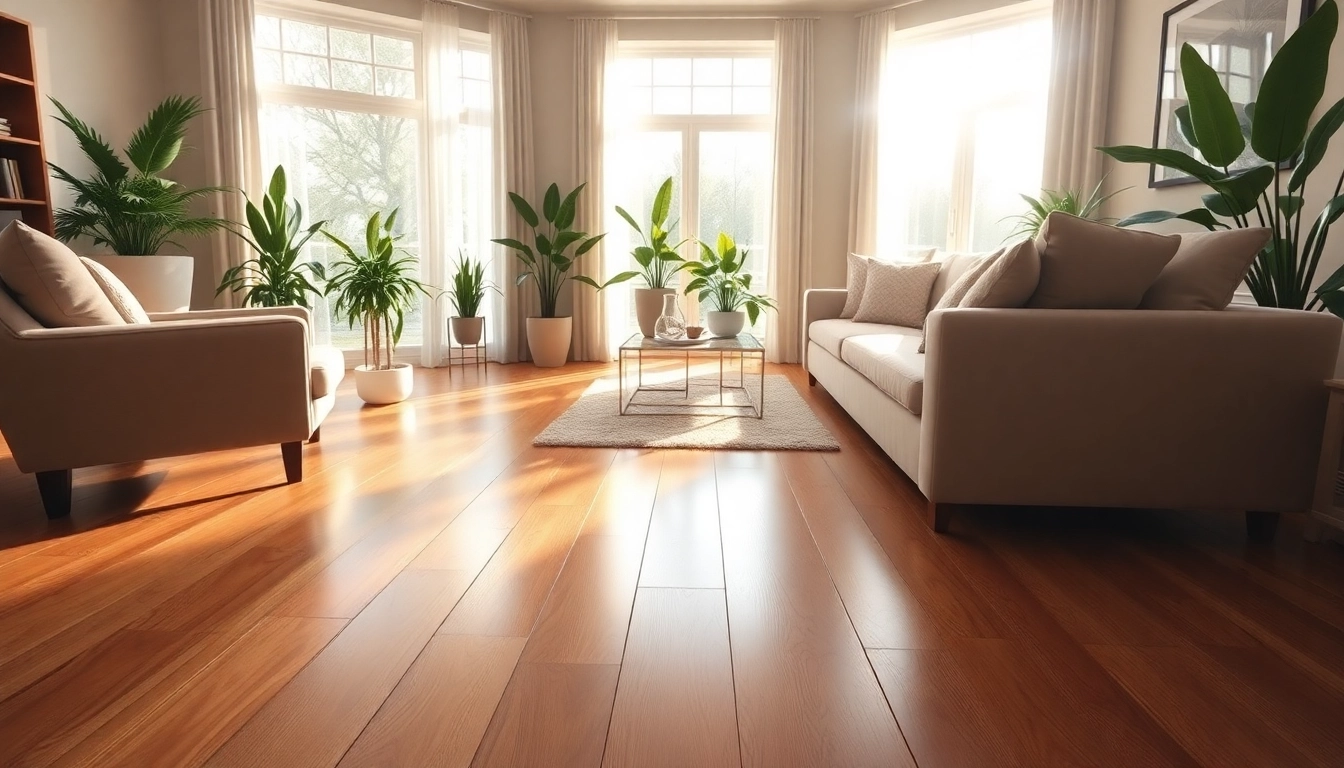
- Hardwood Flooring: Known for its timeless beauty, hardwood is durable and can last for decades with proper care. It offers a diverse range of styles from classic oak to luxurious cherry.
- Laminated Flooring: This cost-effective alternative to hardwood mimics wood appearance and is scratch-resistant, making it great for families with pets and children.
- Vinyl Flooring: Modern vinyl options are incredibly versatile and come in a plethora of designs. It is waterproof and suitable for kitchens and bathrooms.
- Ceramic Tile: Ideal for high-moisture areas, ceramic tiles are resistant to water damage. They are available in various styles and finishes but can be cold underfoot.
- Cork Flooring: Eco-friendly and comfortable, cork flooring provides cushioning and sound insulation. However, it requires regular sealing to maintain its appearance.
1.2 Comparing Durability of Flooring Options
Durability is a critical factor to consider when selecting flooring. Each material offers different levels of endurance under heavy use:
- Hardwood can resist wear over time but may scratch and dent if not cared for properly.
- Laminated is highly resistant to scratches but may not withstand flooding.
- Vinyl offers excellent resistance to moisture and stains, making it a top choice for dynamic households.
- Ceramic is incredibly durable but can crack under heavy impact.
- Cork, while resilient, can be prone to wear if left unsealed in high-traffic areas.
1.3 Choosing Flooring Based on Style Preferences
The style of your flooring can dramatically influence your space's overall aesthetic. Consider the following style preferences when making a choice:
- Rustic Styles: Opt for reclaimed wood or distressed laminate for a cozy, vintage look.
- Modern Aesthetics: Clean lines and a polished finish, found in laminate and polished concrete, complement modern decor.
- Traditional Elegance: Rich hardwoods in classic patterns add sophistication to formal spaces.
- Eclectic Designs: Mixing different flooring types, like tile and hardwood, can create vibrant, unique spaces.
Benefits of Quality Flooring
2.1 Enhancing Home Value with Quality Flooring
Investing in quality flooring can significantly boost your home's value. Homebuyers are often focused on aesthetics and functionality; quality flooring conveys a sense of care and maintenance:
Hardwood and luxury vinyl can yield a return on investment; potential buyers tend to favor homes that require less renovation upon moving in. Additionally, carefully chosen flooring can enhance the resale value by appealing to current trends and long-term durability.
2.2 Health Benefits of Sustainable Flooring Choices
Choosing sustainable flooring options has health advantages that go beyond aesthetics. For instance:
- Air Quality: Materials like bamboo and cork are natural and free from toxic chemicals that plague conventional flooring options.
- Allergen Reduction: Hard surfaces like tile and vinyl do not trap dust and allergens, making them better for indoor air quality.
Moreover, sustainable flooring contributes to a greener planet by utilizing renewable resources and reducing environmental impact during production.
2.3 Noise Reduction with Proper Flooring Selection
The selection of flooring can influence the acoustics of a space. For example:
- Cork: This material is naturally sound-absorbent, making it ideal for reducing noise in busy households.
- Carpet: Provides an excellent sound barrier and warmth, making it a favorite in bedrooms and living areas.
Choosing the right flooring can enhance the comfort and tranquility of your home, particularly in open concept spaces.
Installation Tips for Your Flooring
3.1 Preparing Your Space for New Flooring
Preparation before installation makes a significant difference. Follow these steps to ensure a successful flooring project:
- Clear the Area: Remove furniture and existing flooring to provide an unobstructed workspace.
- Test the Subfloor: Ensure the subfloor is level, dry, and free of damage.
- Acclimate Your Material: Allow your flooring to adjust to room temperature and humidity for at least 48 hours before installation.
3.2 Best Practices for DIY Flooring Installation
Many homeowners opt for DIY flooring due to cost savings. Here are essential practices to consider:
- Follow Manufacturer Guidelines: Each flooring type has specific installation instructions; adhere closely to them.
- Utilize Quality Tools: Invest in or borrow high-quality tools to ensure precise cuts and measurements.
- Take Your Time: Rushing can lead to mistakes; install flooring section-by-section for accuracy.
3.3 When to Hire Flooring Professionals
While many flooring types can be installed by confident DIYers, certain situations warrant professional assistance:
- Complex Layouts: Intricate designs or patterns may require a skilled installer for seamless transitions.
- Large Areas: Handling large spaces can be daunting; professionals can expedite the process.
- Special Materials: Certain materials, like natural stone, may require specific techniques to install properly.
Maintenance and Care for Flooring
4.1 Routine Cleaning Techniques for Longevity
Implementing a proper routine for your flooring can extend its life. Here are a few tips:
- Dust Regularly: Use a microfiber mop or cloth to capture dust and dirt.
- Use Gentle Cleaners: Avoid harsh chemicals; opt for pH-neutral solutions suited for your specific flooring.
- Address Spills Promptly: Clean spills immediately to prevent stains and warping, especially on porous materials.
4.2 Addressing Common Flooring Issues
Over time, flooring can encounter issues; knowing how to address them is vital:
- Creaking Floorboards: Tighten or replace loose boards, or consider using a lubricant.
- Scratches on Hardwood: Use a touch-up kit or furniture polish to minimize the appearance of scratches.
- Warping: Maintain consistent humidity levels and check for leaks to prevent further issues.
4.3 Seasonal Care Tips for Different Flooring Types
Adapting your flooring care routine based on the seasons can be critical:
- Winter: Manage snow and salt tracking on flooring; use mats and rugs to capture moisture.
- Summer: Maintain air conditioning to prevent humidity, particularly for sensitive materials like hardwood and laminate.
- Spring Cleaning: A thorough deep clean can revive flooring; consider professional cleaning for carpets and tiles.
Trends in Flooring Design
5.1 Eco-Friendly Flooring Trends to Consider
Environmental awareness is influencing flooring choices significantly. The following sustainable options are gaining traction:
- Bamboo: Fast-growing and highly renewable, bamboo is customizable and durable.
- Cork: Harvested from the bark of cork trees, it's a renewable resource that requires minimal processing.
- Reclaimed Wood: Utilizing existing materials reduces waste and adds unique character to a home.
5.2 Color and Texture Innovations in Flooring
Innovations in color and texture are making waves in flooring design:
- Bold Colors: Vibrant hues are increasingly being used in tile and laminate for statement floors.
- Texture Variety: Three-dimensional flooring options provide depth and visual interest, perfect for modern decor.
5.3 Integrating Flooring Designs with Home Décor
Homeowners are focusing on cohesive design. Consider these integration strategies:
- Color Palette Harmony: Ensure flooring colors complement the overall theme of your decor.
- Seamless Transitions: Use similar materials in adjacent rooms to facilitate flow.
- Contrasting Styles: For eclectic homes, mix contrasting materials intentionally to create visual interest.
FAQs
1. What is the best flooring for high-traffic areas?
Hardwoods and laminates offer durability and style, making them ideal for busy spaces.
2. How do I choose the right flooring for my home?
Consider factors like maintenance, aesthetic preferences, and the specific areas they'll be used in.
3. Can I install flooring myself?
Yes, many types of flooring can be DIY-installed, but complex layouts might require professional help.
4. How do I maintain my flooring?
Regular cleaning, using appropriate products, and addressing wear and tear promptly can extend its life.
5. What flooring options are eco-friendly?
Bamboo, cork, and recycled materials are sustainable choices that are also stylish and unique.